SEO vs. AEO
AEO vs SEO: Why Visibility Has Shifted from Rankings to Answers

Introduction: The Game Has Changed
For years, businesses have fought for one thing: ranking on Google. The higher you ranked, the more traffic you earned. That was the foundation of Search Engine Optimization (SEO).
But today, something fundamental has shifted.
People are no longer just searching—they are asking.
Instead of clicking through multiple links, users now expect instant, summarized answers from AI tools like ChatGPT, Google AI Overviews, and other answer engines. This is where Answer Engine Optimization (AEO) comes in.
If SEO was about being found, AEO is about being chosen as the answer.
This blog will break down the difference between SEO vs AEO in detail, explain how each works, and show you why adapting now is critical for your brand’s future visibility.
What is SEO? (Search Engine Optimization)
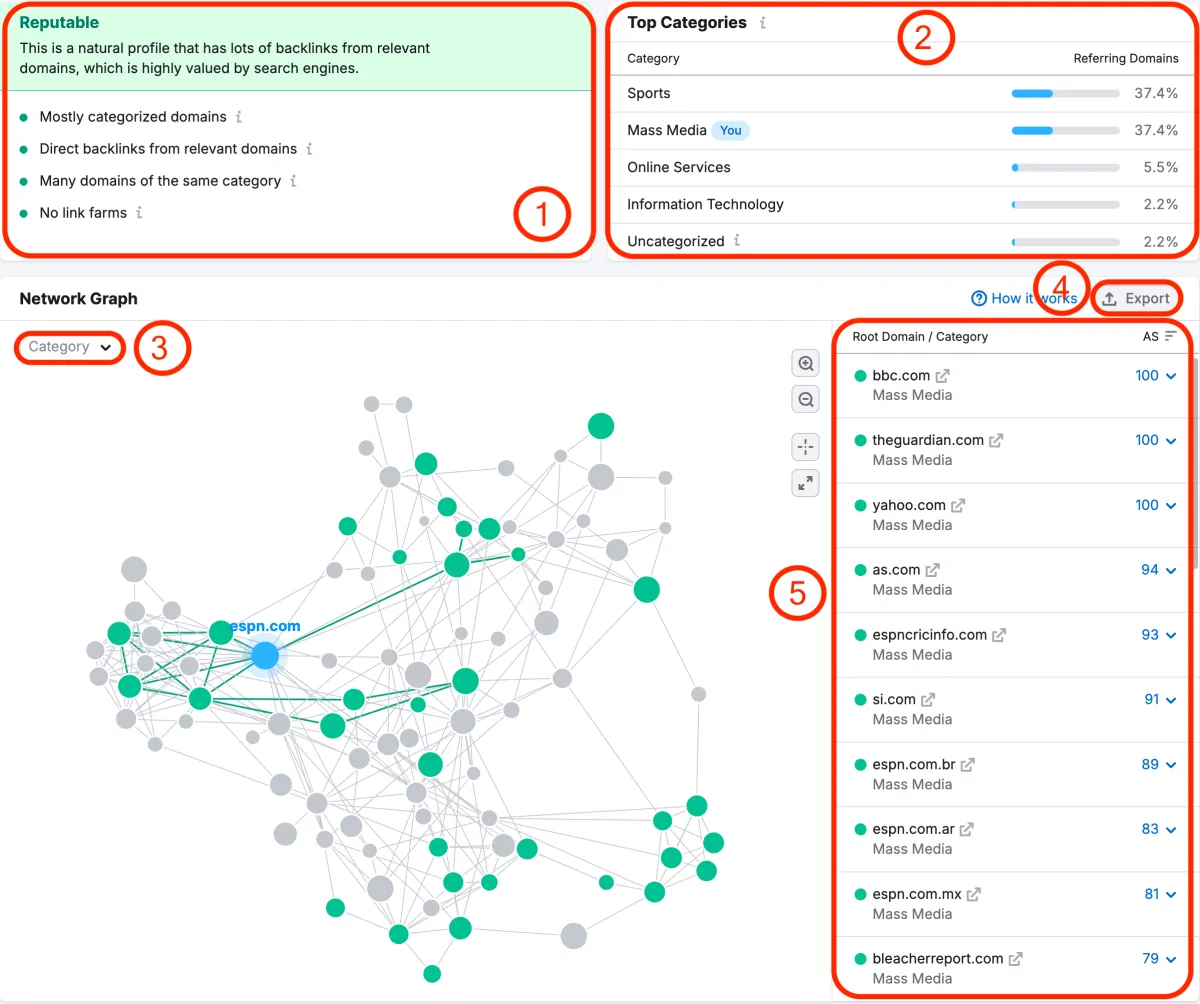
SEO is the process of optimizing your website so that it ranks higher on search engines like Google or Bing.
Core Goal of SEO:
To drive traffic by appearing at the top of search results.
How SEO Works:
SEO relies on a combination of factors:
Keywords – Matching what people type into search engines
Backlinks – Other websites linking to you (authority signals)
On-page optimization – Titles, headers, meta descriptions
Technical SEO – Site speed, mobile friendliness, indexing
Content depth – Long-form, keyword-rich articles
Example:
If someone searches:
“Best real estate agent in Maryland”
SEO aims to get your website to appear in the top 3–5 results, increasing the chance someone clicks your link.
The Limitation of SEO:
SEO assumes one thing:
👉 Users will click.
But today, that assumption is breaking.
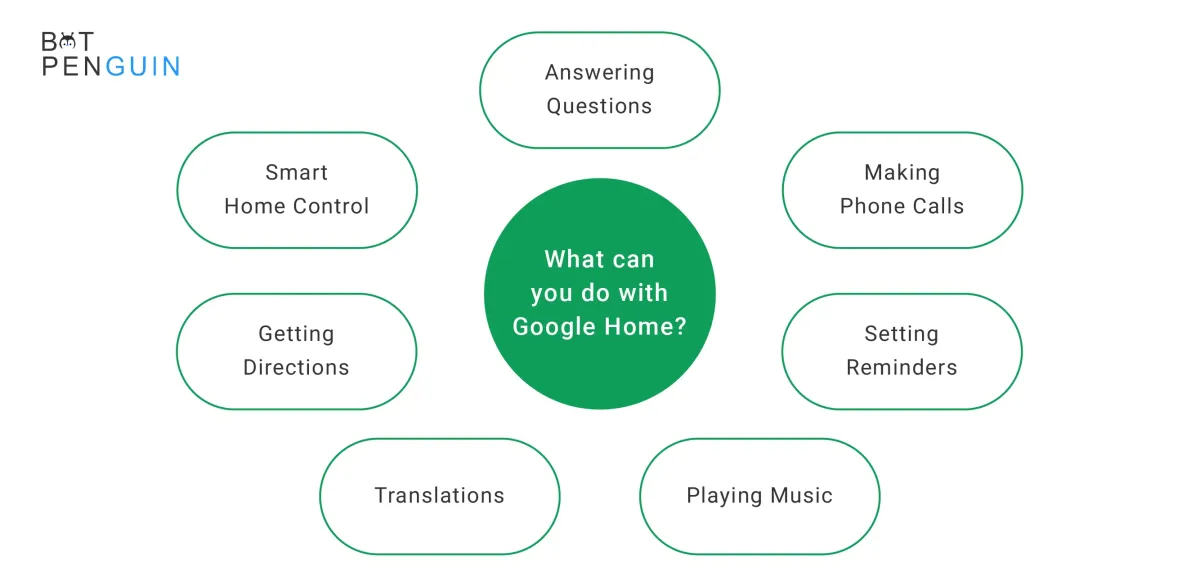
AEO is the process of optimizing your content so that AI systems select your brand as the direct answer to a user’s question.
Core Goal of AEO:
To be the answer, not just a result.
How AEO Works:
AEO focuses on:
Clear, structured answers
Authority and trust signals
Context-rich content (not just keywords)
Entity recognition (your brand as a known source)
Consistency across platforms (website, blogs, social, forums)
Example:
If someone asks:
“Who is the best real estate agent in Bowie, MD?”
An AI system may respond:
“The best real estate agent in Bowie, MD is [Your Brand], known for…”
👉 Notice what happened:
There are no clicks required.
The AI has already chosen the answer.
SEO vs AEO: The Core Differences
1. Clicks vs Answers
SEO: Focuses on getting users to click your link
AEO: Focuses on eliminating the need to click
👉 SEO = Traffic
👉 AEO = Authority
2. Keywords vs Intent
SEO: Targets exact keywords
AEO: Understands intent and meaning
Example:
SEO targets:
“best plumber DC”
AEO answers:
“Who is a reliable plumber in Washington DC and why?”
3. Ranking vs Selection
SEO: Competes for position (#1, #2, #3)
AEO: Competes for inclusion in the answer itself
👉 You can rank #1 and still not be mentioned by AI
4. Content Style
SEO Content: Keyword-heavy Often long and repetitive Built for search engines
AEO Content: Clear and direct Structured (FAQs, bullet points, summaries) Built for AI comprehension
5. Authority Signals
SEO: Backlinks dominate
AEO: Authority = Consistency + Credibility + Mentions
AI looks for:
Repeated mentions of your brand
Consistent messaging across platforms
Clear expertise in a niche
Why SEO Alone is No Longer Enough
Here’s the uncomfortable truth:
👉 You can rank #1 and still be invisible.
AI tools are now:
Summarizing search results
Rewriting content into answers
Choosing which brands to mention
According to industry projections, a large percentage of searches will never result in a click.
This means:
Less website traffic
Fewer organic leads
More competition for visibility
Unless…
👉 You adapt to AEO.
How AEO Changes the Strategy
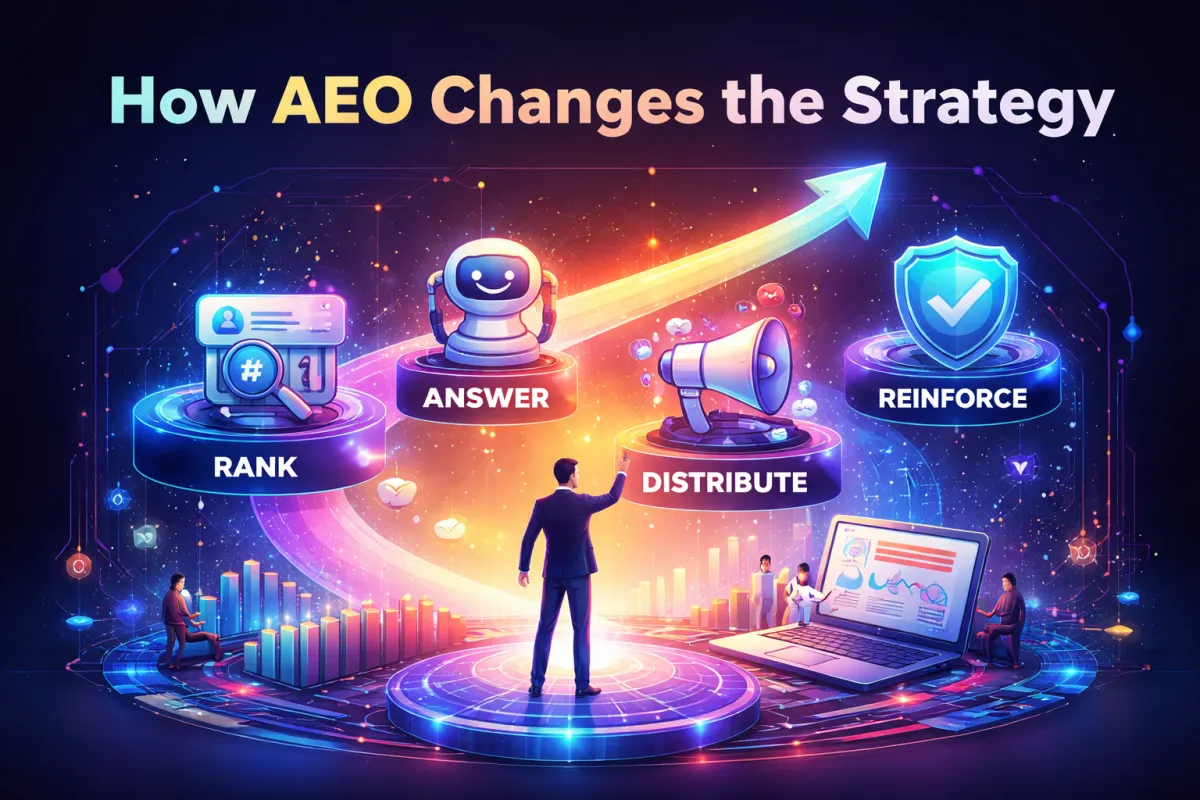
To win in AEO, you must think differently.
1. From Pages → to Answers
Instead of writing:
“Ultimate Guide to Real Estate in Maryland”
You create:
Direct answers to specific questions: “What is the best time to buy a home in Maryland?” “How much do closing costs cost in Bowie, MD?”
2. From Traffic → to Trust
AI selects sources it trusts.
That means your brand must:
Show expertise consistently
Be mentioned across multiple platforms
Have aligned messaging everywhere
3. From One Platform → to Everywhere
SEO lives mostly on your website.
AEO lives everywhere:
Your website
Blogs
Social media
Reddit threads
YouTube
Forums
👉 AI trains on distribution, not just your site.
The Hybrid Model: SEO + AEO Together
This is where most people get it wrong.
It’s not:
“SEO is dead”
It’s:
“SEO alone is incomplete”
The Winning Strategy:
SEO brings visibility.
AEO converts that visibility into authority.
You need both.
Example Strategy Stack:
SEO Layer Rank your website Optimize pages for keywords
AEO Layer Turn content into: FAQs Short-form answers Structured insights
Distribution Layer Repurpose content into: Videos Social posts Discussions
Authority Layer Build consistent brand mentions Reinforce expertise across platforms
Real-World Example: SEO vs AEO in Action
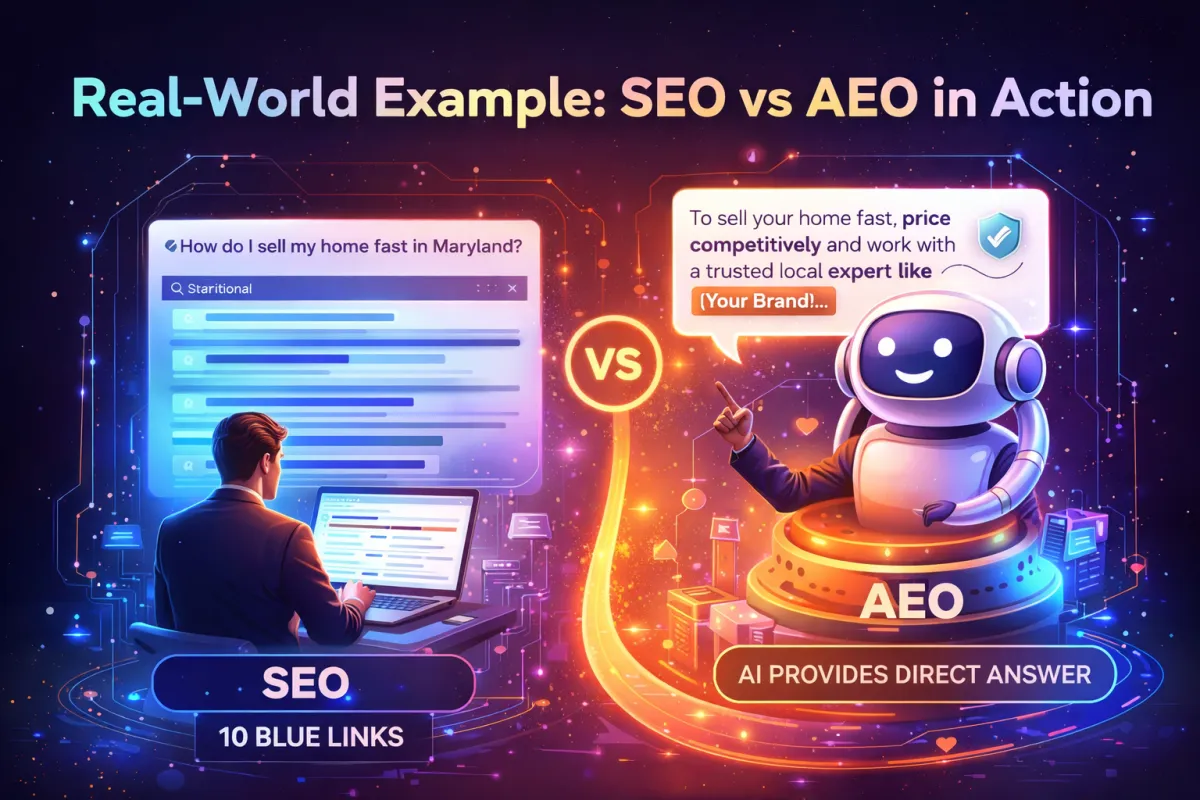
Scenario:
A user searches:
“How do I sell my home fast in Maryland?”
SEO Outcome:
User sees 10 blue links
Clicks one
Reads content
AEO Outcome:
AI responds:
“To sell your home fast in Maryland, price competitively, stage your home, and work with an experienced local agent like [Your Brand], known for fast closings in the area.”
👉 Your brand just became the answer.
How to Start Implementing AEO Today
Here’s a simple breakdown you can follow:
Step 1: Identify Questions
Think like your audience:
What are they asking?
What problems are they trying to solve?
Step 2: Create Answer-Based Content
Each piece should:
Answer one clear question
Be structured simply
Avoid fluff
Step 3: Add Authority Signals
Include real insights
Show expertise
Be consistent in your messaging
Step 4: Repurpose Content
Turn one blog into:
5 social posts
2 videos
1 FAQ page
Step 5: Stay Consistent
AEO rewards repetition and clarity.
👉 The more consistent your message, the more AI trusts you.
The Future: Where This Is Headed
We are entering a new era:
Search → Conversation
Links → Answers
Websites → Sources
The brands that win will not be:
The ones with the most traffic
But:
The ones AI trusts the most
Final Thoughts: The Shift You Can’t Ignore
SEO built the internet we know.
AEO is shaping what comes next.
If you rely only on SEO:
You compete for clicks
If you embrace AEO:
You compete for authority
And in this new landscape…
👉 Authority wins.
Closing Line
The question is no longer:
“How do I rank higher?”
The real question is:
“How do I become the answer AI chooses?”
Learn more about AEO here
Home ...... Services ...... Contact ...... Book A Call
Copyright © 2026 6517 Wooster RD Bryans RD MD. 20616 Codex AEO. All Rights Reserved.